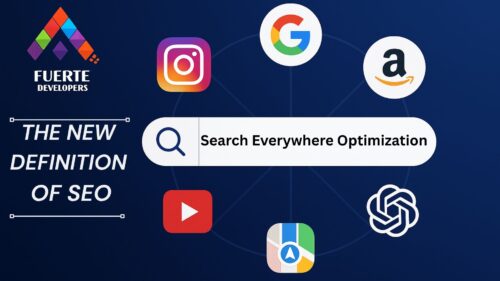




Search Engine Optimization has always been a challenging task, with SEO experts constantly adapting to the latest algorithm updates while search engines modify variables to prevent exploitation. However, as we move into the year 2026, the landscape has significantly shifted; we no longer develop SEO strategies based on fixed or unchanging rules or algorithms, but rather we base our strategies on Machine Learning. This approach is a dynamic and evolving form of ‘intelligent’ technology that understands context, intent, and credibility more effectively than most humans do.
If you have been using the same techniques or tactics for your SEO efforts since before 2020, this can result in a drop off of traffic due to zero click-throughs on search engine results pages (SERPs). SEOs now use machine learning algorithms, which have permanently changed SEO methods and results.
1. From Keywords to Intent Clusters
Initially, you could achieve a ranking for “the best running shoes” by including the same words repeatedly. However, today’s search engines are able to determine what a search term refers to with Natural Language Processing (NLP) models and advanced AI systems (like BERT and MUM).
Search engines are able to determine that “marathon shoes” and “long-distance shoes” share the same intent for users by utilizing machine learning.
- The Impact: The implication of this change is that the concept of SEO has shifted to being based on Topic Authority; successful brands create what are called Intent Clusters, which represent clusters of content intended to meet the entirety of a user’s queries about a subject matter, rather than just identifying and targeting an individual keyword.
- The Strategy: Creating content with semantic richness. For instance, if you’re writing about digital cameras, the ML models will expect to find related concepts, such as “aperture,” “sensor size,” and “ISO,” to substantiate your depth of informational content around digital cameras.
2. The Era of Generative Engine Optimization (GEO)
The largest transformation occurring in 2026 is the rise of dominant AI Summary Results. When a user submits a search request, neither Google nor Bing will merely return a list of links; instead, they will produce an answer directly at the top of the page. This is possible due to Large Language Models (LLMs) being able to “read” the web while it is occurring in real time.
To adapt, SEO has become Generative Engine Optimization (GEO). Your objective now is not just attaining the highest rank for standard blue links but also being cited in the summation created by AI as your legitimate source.
- The Impact: CTRs for organic search by traditional means have steadily declined for less complicated questions. However, brand credibility increases dramatically when AI uses your content as a source.
- The Strategy: Create “Answer Blocks,” which are a 50-word summary of factually correct information that describes the intent of your article so that AI may easily pull out and cite.
3. Machine-Learned User Experience (UX)
The machine learning process analyzes not just the text on the website but also how users interact with it. Machine learning algorithms are capable of processing millions of data points, including things like scroll depth, instances of pogo-sticking (i.e., hitting the back button soon after viewing a page), and Core Web Vitals.
A machine learning model may observe that users are consistently able to find the information they are looking for at a website that ranks in the fifth position on Google Search, so it will take that website and put it into the first position, no matter how many backlinks the previous first-position site had.
- The Impact: The key takeaway is that Technical SEO and User Experience (UX) have become indistinguishable. If your site is slow and cumbersome, machine learning will view your content as not being useful and therefore demote you in the search results.
- The Strategy: You need to build your strategy based on Time to Value, which measures how soon a user can achieve the outcome they are looking for.
4. The Rise of E-E-A-T and “Machine Trust”
As AI generated spam content continues to populate the web, search engines are utilizing machine learning technologies to classify what they perceive as “noise.” The current standard for search engines to determine whether a page qualifies for a higher ranking on the SERPs involves assessing four components commonly grouped together as “E-E-A-T”—experience, expertise, authoritativeness, and trustworthiness.
Advancements made in machine learning algorithms now allow for the detection of content that can be deemed as having excellent grammar but few original insights or “real-world” experiences behind them, which is deemed “hollow.”
- The Impact: Original research, case studies, and first-hand reviews are the newest form of “currency” for rankings.
- The Strategy: Focus on including real expert authors on your pages, linking to a credible social media profile from the author bio, and using reputable, primary sources. Machine learning technologies give positive weighting for these things when assessing “source worthiness.”
5. Predictive SEO and Personalization
Search results will not be universal anymore in 2026; search results are now personalized by machine learning based on the user’s prior searches, as well as the location of the user and the device being used. In addition, with the emergence of Predictive SEO tools utilizing machine learning, marketers will be able to predict trends in searches before they occur, enabling the marketer to produce content for “the next big thing” up to a month or more in advance.
Conclusion
Machine learning has transformed search into a “black box” where patterns, not static code, dictate rankings. If you want to achieve success, quit attempting to cheat the algorithm and provide it with content. You can assist AI in navigating your website by giving it structured data and quality schema, but the best part about this is that you create real value for human beings. In 2026, the way that machines will respond best to being optimized by humans will be through true authenticity.