


Why Personal Branding?
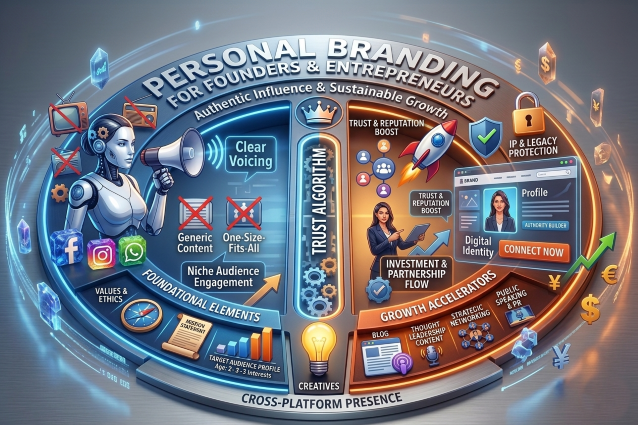
Building a personal brand is important because it helps create a level of credibility or trust with your target market. It also helps you differentiate from competitors and develop a relationship with your audience. Today, more people want to connect with a person vs a business, so by being an authority in your niche/sector, you attract more opportunities and create the potential for years of continued success. In a nutshell, building your personal brand creates an identity that is your greatest asset and supports both the success of your business and your personal reputation.
What Personal Branding?
Personal branding is the process by which you define and market who you are (your unique identity) and then promote that identity. This means how you present yourself through your website, social media, marketing materials, blogs, speaking engagements, etc., so that people can identify with what you represent. Simply put, your personal brand is building a reputation that defines who you are, what you do, and why people should trust/follow you.
Personal Branding Strategy
Step 1: Define Your Niche
Choose a clear focus area.
Step 2: Optimize Your Profile
- Professional photo
- Clear bio
- Strong headline
Step 3: Create Content Pillars
Example:
- Education
- Personal journey
- Business insights
Step 4: Post Consistently
3–5 times per week is ideal.
Step 5: Engage Daily
- Reply to comments
- Network with others
- Join conversations
5 Personal Branding Best Practices
The following 5 personal branding tips are for people that have busy days like I do (which is most entrepreneurs) and may not have 10 hours a week to spend developing or managing their personal brand, nor do they use an assistant to manage their personal brand. As someone who creates content to grow their brand, I’ve found a few things that generally help me; however, these do not require a Starbucks latte to be productive:
1. Understand Your Target Personas
The first question to ask yourself when you develop your branding strategy (either personal or business) is who your “Target Personas” are. As an entrepreneur you may have 2-3 target personas, depending on what type of company you own and how many years you have been in the business. When it comes time to develop your branding plan, here are two examples of the type of target personas I maintain:
- Entrepreneurs who run a digital agency generating $1MM-$5MM annually and would like to exit their business over the next five years.
- Former agency owners that have exited and now want to invest between $1MM-$5MM in a portfolio of digital marketing agencies.
All of my personal brand-building strategies and tactics will ultimately be utilized to help attract and serve these two target personas in some manner.
2. Choose One to Two Channels
Making the effort to keep up with too many channels at once can dilute the value of your personal brand. It is much better to stick to only a couple of platforms that allow you to play an active role than to stretch yourself out over multiple platforms with no results.
Focus on which platforms you would like to pursue (YouTube, personal blog, LinkedIn, Facebook, etc.) based upon where your target audience spends their time. Consider also what types of content would best help establish your personal brand. I happen to prefer writing, but you can also create audio, video, or graphic-based content. I would suggest trying to be as engaged and actively participating within your brand-building efforts as possible and not getting into the habit of constantly checking new platforms/creating content on those platforms if producing videos feels like it’s too much effort.
3. Consistency Over Time is Key
Many of us get excited about starting something new; however, the enthusiasm often leads to a desire to do and say too much too quickly, which usually results in being burnt out. That’s why I used to write new blog posts every week on my personal blog but eventually stopped due to the fact that I couldn’t keep up with how fast I was producing new ideas.
My experience has shown me that by creating a schedule around consistently producing content over time instead of being so productive for very short periods of time and then quitting, the results will come. I’ve also found that this creates a lot less chance of experiencing burnout or losing interest in what you’re doing.
4. Develop a Clear Call to Action
Once your target audience has discovered you and has developed a relationship of trust, what is the action you’d like them to take? Would you like them to book an appointment with you? Subscribe to your email? Follow you on social media?
As you establish your brand, the next phase is directing your fans to one consistent call-to-action (CTA) so you have a way of figuring out how successful your personal branding is.
5. Be Authentic
Though I feel a bit cliché mentioning this one last piece of advice, I must do so because I have failed at this myself in the past. Yes, one of the primary purposes of building a personal brand is to influence how others see and think about you. However, an even bigger reason for doing so is to create a personal brand that reflects your true self, the type of person that you would like people to perceive you as being, and the types of things that you believe and stand for.
conclusion
Once again, building a personal brand is not about becoming popular; it’s about building trust. The most valuable assets to a startup or entrepreneur are their stories, knowledge, and personality. Start small, continue to build momentum, and be your true self in every situation. Your goal in your personal brand should simply be that people will buy from other people that they trust.