


Introduction
Searching for something in 2026 will no longer involve entering several key phrases into a search engine’s text box and clicking through multiple URLs. Now, search engines can use intelligent forms of AI to give the user an accurate, immediate answer to their original query based on context. The introduction and increased use of AI have altered the way that search engines interpret search queries, prioritize which results appear first, and deliver pages of results back to users. Consequently, SEO is moving from primarily focusing on keyword optimization strategies to an overall strategy involving all three aspects of user experience (UX), including intent, quality, and trustworthy content.
The Shift from Keywords to Intent
Keyword targeting has changed in SEO. In the early days of the internet, you could rank on search engines simply by inserting exact keyword phrases into your content in strategic locations. Nowadays, however, search engines use advanced AI algorithms to determine what a user means by their search query. They analyze the overall context of the user, examine the user’s previous search behavior, and assess how other users search for similar things to produce results that are relevant to both the current user’s intent and other users overall.
As a result, when creating and writing new content, you’ll want to concentrate on providing solutions to common problems rather than simply focusing on using keyword phrases. The more accurately an article answers the user’s question, adds depth to what has already been written about that topic, and matches the user’s search intent, the more likely it will be to rank highly in search engine results pages (SERPs).
AI-driven search engine results.
Today’s search engines use artificial intelligence to answer users’ questions instead of just showing a list of web pages. As a result, the search engine’s artificial intelligence provides a short answer to the user’s question at the top of the page. This results in lower click-through rates for website owners who find it to be an inconvenience due to fewer clicks and lower traffic from the search engines.
For SEO practitioners, the situation presents both a new challenge and an opportunity in terms of getting visibility and link clicks to their content. Therefore, when creating content, it is critical for SEO practitioners to provide high-quality content that follows industry standards (structure, clarity, authority, etc.) to increase the likelihood of their content being displayed in an AI-driven search engine’s answer results.
The Growth of Conversational Searching
Voice and AI conversational search has led to a change in people’s search behavior from entering short keyword phrases to entire questions. Users used to search “SEO Tips” but are now asking things like “What are the top 10 SEO strategies for a beginner in 2026?”
Because of this shift, the content of websites needs to be humanized and written in a more conversational tone. Including frequently asked questions, conversational headings, and direct answers will enable a website’s content to match modern users’ search habits.
The Importance of high Quality Content
By 2026, as far as content quality is concerned, search engines that use AI will readily identify and filter out bad or duplicated content. That means just putting out many articles will not provide you with as much success as implementing an SEO strategy based on quality content.
Successful SEO strategies now focus on writing more significant and better-quality content in-depth, with a focus on creating informative and captivating pieces. Having original insights, actual examples, and simple writing styles will make your content valuable to both users and search engines.
E-E-A-T and Trust Signals
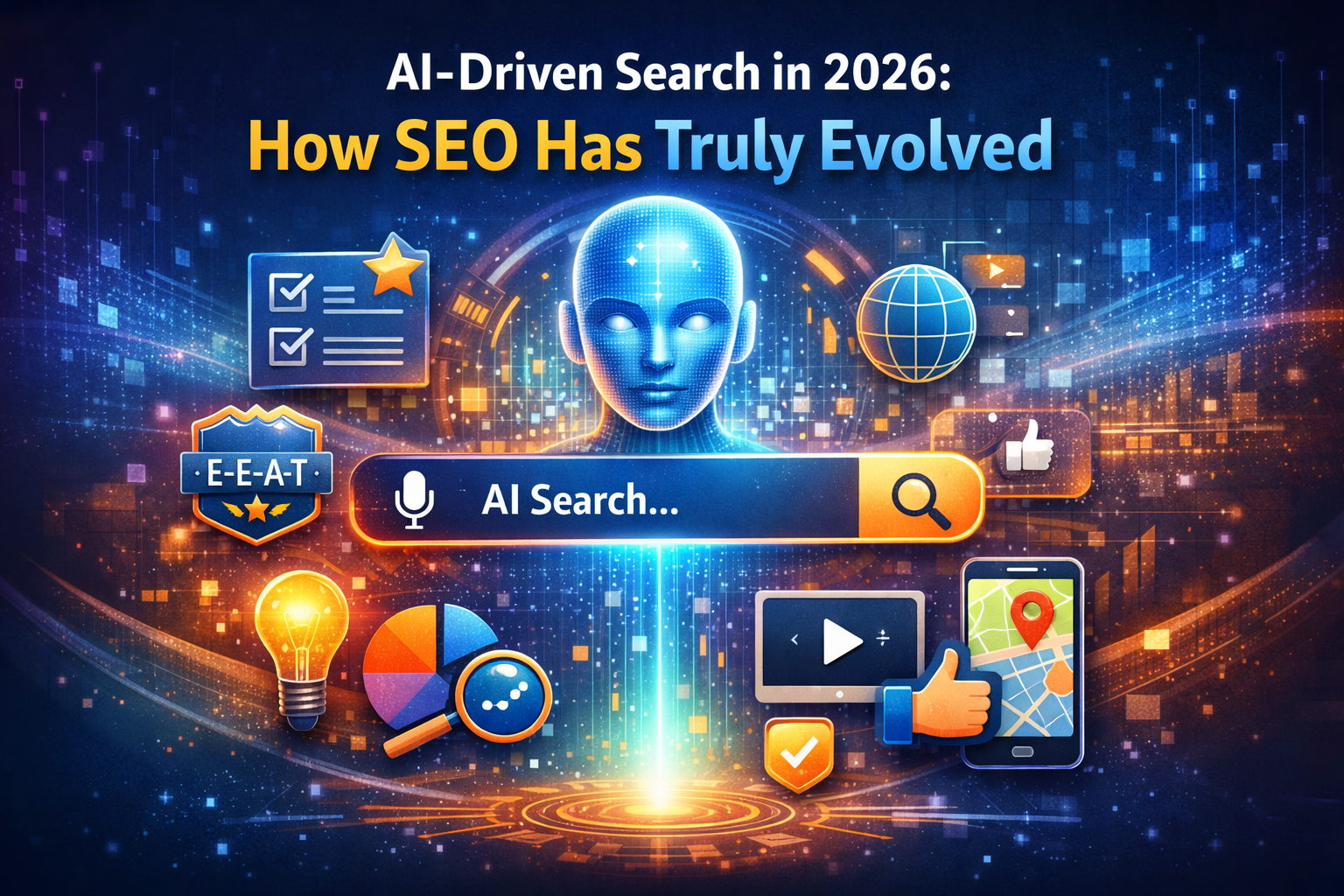
E-E-A-T, which stands for Experience, Expertise, Authoritativeness, and Trustworthiness, is a key ranking signal for search engines. AI looks for reliable sites that provide content from trusted sources.
Websites that feature their authors as experienced and knowledgeable, have factual information on their site, and demonstrate transparency gain greater visibility in search engines. Therefore, establishing trust becomes a requirement in successful seo.
Personalization and User Experience
Now users get a variety of the different types of search engines depending on how they search online or what devices they search from and are experiencing the same searches by multiple people to have different experiences. Each owner of a company and their customers can gain an advantage over their competitors by creating a great user experience with their product or services through using fast loaded websites, making sure that mobile is an important part of the company to keep customers engaged, and having a straightforward user experience through simple navigational steps, which will contribute positively to increasing engagement rates and help to improve the ranking of a site on search engines.
The Role of AI in Content Creation
Artificial intelligence tools are frequently used to assist in the planning and preparation of written material; however, these same tools should only be employed after careful thought. Although artificial intelligence may assist in the research, composition, etc., it is still important that humans contribute towards making the material unique and original.
Combining the efficiency of an artificial intelligence system (i.e., quick access to relevant information) and the creativity of a human creator will generally yield better results from an Internet user’s standpoint. The search engines prefer content that is from real people, helpful, useful, etc.
Conclusion
In 2026, SEO will be a more intelligent and user-centric discipline. Rather than just trying to manipulate the search engines, SEO now requires knowledge of how to service the searchers effectively. The quality of content has increased due to the impact of AI searching, and this development has raised the standard of what companies need to deliver in terms of high-quality content (high-quality/content that has real value).
To continue to be relevant in the future, SEO will need to adapt to these changes by focusing on intention, building trust, and creating a better user experience. Companies that adapt to the new reality will not only survive, but they will flourish in a world of increased reliance on AI search.