



AI has changed SEO faster than any update in the past ten years. AI tools are now used for anything from finding keywords to making content and checking how things are working. But here’s the thing: many AI SEO plans don’t really work.
- They generate content, but not traffic.
- They save time but don’t improve rankings.
- They automate tasks but fail to build authority.
That’s because AI by itself isn’t a strategy.
A successful AI SEO plan mixes AI with understanding what people are searching for, what people who know what they’re doing think, how well your site is set up, and planning for the future. If you do it right, AI doesn’t get rid of the basics of SEO. It makes them better.
What an AI SEO Strategy Really Means
An AI SEO plan isn’t about putting out lots of content written by AI. It’s about using AI to make better, faster, and more correct SEO choices.
Basically, AI helps you:
- Analyze datasets quickly
- Detect patterns in search behavior
- Improve efficiency in research and optimization
- Scale high-quality SEO processes
Search engines already use AI to figure out if something matches what you’re searching for, what you really want, how good the thing you found is, and if other people care about it. If your plan doesn’t go along with that, it won’t do well no matter how cool your tools are.
Why Most AI SEO Strategies Don’t Work
Before you make a plan that will win, it’s good to know what usually goes wrong.
Most problems come from:
- Thinking AI is a fast way to create content
- Putting out AI-made pages that haven’t been changed or are too general
- Not paying attention to what people want and how they use your site
- Trying too hard to use keywords instead of giving real worth
- Not caring about how your site is set up
Search engines reward things that are useful, new, and deep. AI-created content without someone checking it often doesn’t have those things.
A working AI SEO plan puts being helpful first and using machines second.
1. Base Your Plan on What People Want to Find
SEO isn’t just about keywords anymore. It’s about why someone is searching.
Every search fits into one of these types:
- Informational (learning or researching)
- Navigational (finding a brand or platform)
- Commercial (comparing solutions)
- Transactional (ready to convert)
AI tools can find tons of keywords, but people still need to figure out what they all mean.
Before you make anything, figure out:
- What problem the user is trying to solve
- What stage of the journey they’re in
- What outcome they expect
Content that directly addresses what people want usually does better than content that just throws in keywords.
2. Use AI for Advanced Keyword Research and Topic Clustering
This is where AI is really helpful.
Instead of just trying to get one keyword on each page, modern SEO is about grouping topics and making sense of how things relate to each other. AI helps by looking at how keywords connect on a large scale.
With AI-boosted research, you can:
- Group related keywords into clusters
- Identify long-tail opportunities
- Discover low-competition search queries
- Map keywords to content formats
This approach helps build topical authority, which search engines strongly favor.
This helps show you’re an expert, which search engines love. Instead of a bunch of short articles, make a few detailed pages that target many searches at once.
3. Create Content with AI Help, Optimized by Humans
AI is an excellent writing assistant but a poor content owner.
The most effective SEO teams use AI to:
- Generate outlines
- Draft initial content
- Expand sections efficiently
- Improve clarity and flow
But humans must:
- Add your own knowledge and experiences
- Make sure it’s original and correct
- Optimize tone and brand voice
- Remove fluff and repetition
- Improve depth and examples
Search engines are starting to reward content that shows experience, knowledge, authority, and trust. AI alone can’t provide that, but it can help you scale it when guided correctly.
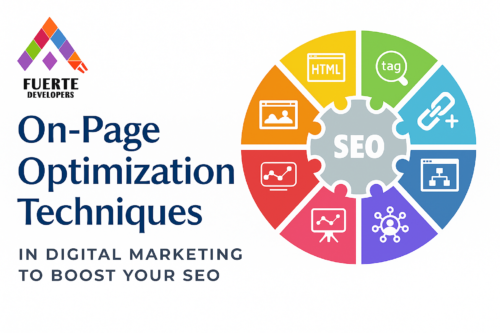
4. Optimize On-Page SEO Using AI Insights
SEO isn’t just about content. It’s about how content is presented.
AI tools help optimize:
- Meta titles and descriptions
- Header structure (H1–H4)
- Internal linking opportunities
- Content readability and flow
- Keyword placement without stuffing
However, optimization should always serve the reader first. Pages that are easy to read, properly organized, and look good tend to do better in search results and keep people interested.
Good SEO feels natural. Bad SEO feels forced.
5. Build Topical Authority With AI Content Planning
One good way to use AI in SEO is to plan out a lot of content. Instead of posting random things, AI lets you:
- Plan entire content ecosystems
- Create pillar pages and supporting articles
- Keep your topics consistent.
- Find content ideas that your competitors are missing.
When you are the authority in one topic, that will help the search engines understand your website is reliable, not just another blog.
This leads to:
- Higher rankings across multiple keywords
- Faster indexation
- Stronger internal linking
- Long-term SEO stability
6. Strengthen Technical SEO With AI Support
Good content won’t do well if your basic SEO is poor.
AI tools can quickly check:
- Crawlability and indexation issues
- Page speed and Core Web Vitals
- Duplicate content
- Schema markup opportunities
- Site architecture problems
AI can help you decide which issues are most important, but fixing them still takes skills.
A strong AI SEO strategy ensures:
- Search engines can access your content easily
- Pages load fast across devices
- No technical barriers block growth
7. Use AI Analytics to Measure Important Things
Typical SEO reports often focus on rankings alone. AI analytics look deeper.
AI helps analyze:
- User behavior patterns
- Engagement signals
- Conversion paths
- Assisted conversions
- Content decay over time
This lets you fix problems early, before they hurt your rankings. SEO then helps your business grow, and it’s not just guesswork.
8. Update Content With AI
SEO success doesn’t come from publishing once and moving on.
Search engines favor:
- Fresh information
- Updated statistics
- Expanded answers
- Improved clarity
AI tools help identify:
- Outdated pages
- Declining performance
- New keyword opportunities
- Sections that need expansion
Regular updates often deliver bigger ranking gains than new content, especially for established pages.
9. Balance Automation With Brand Trust
Automation is powerful, but trust is fragile.
Your AI SEO strategy must protect:
- Brand credibility
- Content accuracy
- Transparency
- User trust
Avoid:
- Mass-generated content without review
- Generic advice with no insight
- Over-optimized language
- Misleading or shallow pages
AI should help you improve quality and consistency, not find simple ways out.
10. Keep Your AI SEO Strategy Ready for the Future
Search is changing fast because of AI search and how people talk to search engines.
To stay ahead:
- Focus on depth, not volume
- Answer questions comprehensively
- Structure content for snippets and AI summaries
- Build authority in specific niches
- Invest in original insights and examples
AI will keep changing SEO, but good plans, creativity, and knowing what people want will still be most important.
Conclusion
Making an AI SEO plan that truly works isn’t about having a ton of tools. It’s about using the tools you have in a smart way.
When AI supports:
- Search intent research
- High-quality, human-led content
- Technical excellence
- Strategic planning
- Continuous optimization
SEO can now grow, be expected, and last for the long haul.
The brands that get ahead with AI SEO will not shout the loudest or move the quickest. They will be those that are most useful, reliable, and smart.