


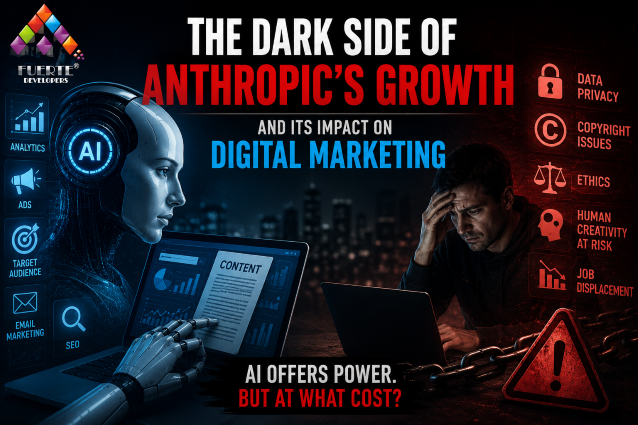
Companies such as Anthropic lead in developing tools such as Claude that are transforming workplaces and assisting businesses around the world to become more productive and to change the face of digital marketing with Artificial Intelligence. The rise of AI has raised several ethical concerns, such as data and privacy concerns, copyright issues, and the future of human creativity; therefore, significant questions exist regarding the ultimate impact of using AI.
The Rise of Anthropic in the AI Industry
Anthropic has focused heavily on creating safe and responsible artificial intelligence since it began. The Claude chatbot developed by Anthropic is attracting attention as an alternative to competitors created by companies such as OpenAI and Google.
Anthropic is leading the charge with billions of dollars being invested and alliances being formed as it rapidly becomes one of the fastest growing AI companies across the globe. Companies use AI for the following purposes:
- Content creation
- Search engine optimization
- Assisting customers
- Social media management
- Email marketing
- Creating ads
- Conducting market research
AI has transformed digital marketing campaigns into the fastest, smartest, and most data-driven they’ve ever been. However, these rapid growths can also lead to unforeseen long-term consequences.
How AI Is Changing Digital Marketing
Artificial Intelligence is changing digital marketing by making repetitive tasks easier and improving marketers’ ability to accomplish tasks efficiently with what some call “automated marketing.” For example, marketers can produce blog articles, build social media posts, research customer behavior, analyze campaign performance, and optimize digital marketing campaigns in minutes.
Some major benefits include:
- Faster Content Creation
AI tools allow businesses to produce blogs, product descriptions, and advertisements in a much shorter time frame than they could without the use of technology. This increases competitiveness while decreasing costs associated with traditional digital marketing methods.
- Improved Audience Targeting
AI algorithms can track online user behavior and then allow brands to more accurately target the right customers for their marketing efforts.
- Improved SEO Strategies
Current AI technologies will allow marketers to discover active keywords and organize their content structures, as well as anticipate upcoming search engine trends, which will make their online marketing efforts very effective.
- Personalized Customer Experiences
AI will create individualized customer experiences via chatbots and recommendation engines, thus increasing user engagement and conversion rates.
While these benefits are promising, it is also becoming more apparent that there is a downside to the exponential growth of AI.
The Dark Side of Anthropic’s Growth
1. The Risk to Human Creative Expression
The increasing reliance on machine-generated content by businesses is one of the most significant threats toward human creativity in digital marketing.
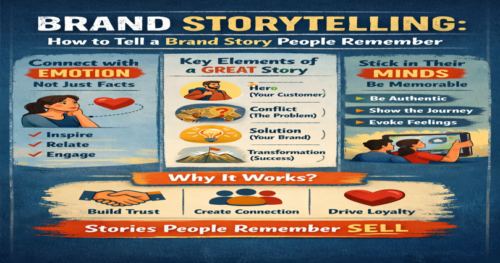
Automation has made it easier and faster for marketers to develop content; however, due to machine-generated creative ideas replacing the creativity of humans, many marketers believe that the original storytelling of a brand, emotional connection in branding, and authentic communication will become extinct.
Content produced via AI is often produced quickly, but rarely with true human emotion and cultural comprehension. As a result, overuse of AI-generated content will lead to many examples of repetitive, low-quality, or generic marketing content being posted on the Internet.
2. Concerns over Copyright and Data Privacy
Anthropic and other AI companies have come under increasing scrutiny regarding how their AI systems have been trained via machine learning.
Many AI models learn from millions of pieces of electronic data that include books, blogs, articles, and other forms of creative work. There is considerable concern about the copyright of this content from writers, publishers, and creators.
For professionals in digital marketing, this increases uncertainty regarding:
A) Ownership of content
B) AI-generated acts of plagiarism
C) Brand originality
D) Legal problems as a result of their use of AI-generated content
Companies who use AI-generated content may find themselves in legal trouble for publishing materials that are very similar in nature to the original copyrighted works.
AI-Generated Spam Is Flooding the Internet
With the arrival of artificial intelligence tools that can create a huge amount of content in minutes, businesses are likely to see an increase in the number of low-level and sometimes low-quality AI powered blog posts, advertisements, and social media posts on the search engines.
As legitimate marketers continue to struggle against a deluge of ubiquitous spam being produced by AI, it can be difficult for them to maintain their quality brand identity and differentiate themselves in the marketplace with original organic content.
Ethical Implications of Digital Marketing
AI systems are built upon massive datasets, which may contain potential bias against the AI system or misinformation as well as poorly developed and dangerous content.
If marketers are too reliant on AI while failing to apply human inputs, they may inadvertently promote:
- False information
- Biased content
- Misleading advertisements
- Deceptive marketing practices
Responsible digital marketing requires transparency and ethical decision making, as well as using AI to enhance creative thought, not displace it.
The Growing Fear of AI Dependency
Businesses are now becoming too reliant on artificial intelligence-based digital marketing software tools.
Businesses are at risk of losing important human capabilities, such as:
- Strategic Thinking
- Storytelling
- Creating an Emotional Brand
- Building One-on-One Relationships with Customers
At this point, if the policies or rates of an AI platform change suddenly, companies that rely completely on a single platform could be challenged to adjust their marketing strategies to replace it. Companies must maintain diversification and also build their knowledge and experience with human experts to provide long-term business success.
Is Digital Marketing Going To Be Human?
While companies are facing challenges with AI tools, AI is certainly not going to be the enemy of digital marketing; however, the amount of balance within the use of AI as a digital marketing tool is very important. AI should be utilized to assist human marketers but should not replace human marketers/market research completely. When you combine the high level of efficiency of AI with the creative skills of a human marketer, it is likely that you will have the greatest opportunity for success.
The future success of digital marketing will rely on:
- Ethical Use of AI
- Control by Humans
- Authentic Storytelling
- Creation of Original Content
- Communicating Transparently
Businesses that can provide consumers with authentic products and build consumers’ trust will probably continue to be recognized as successful, even as digital marketing transitions even further towards being AI-driven versus human-driven.
Conclusion
Digital marketing will continue to evolve, but if businesses leverage the use of automation on behalf of their products or service while demonstrating authenticity, trust, and originality, they will achieve long-term success.